
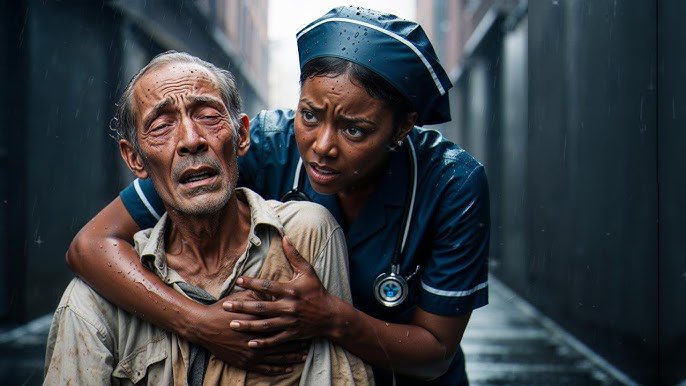
Excerpt from the short story “Jackie’s Snacks.”
“Bridge! Damn drawbridge.”
Queued up in line of cars, Jackie directed her anger at a tugboat pushing a barge through a narrow slit. She pounded on her steering wheel at the painfully slow form of locomotion.
“Go! Go! Go!”
Jackie had replaced the grips several times in the last year, along with a new axle. She turned on calming music and attempted to telepathically drag the inching barge faster through the canal. She checked the connections of her weave, picked at a chip on a manicured nail, and pulled several times at her blouse front that was riding up. In the rearview mirror, Jackie smoothed-out creased foundation where her eyeglasses rested. A stack of cars backed up from behind.
Traffic jams on the highway overpass occasionally compelled skittish drivers to search for a shortcut on the ground, only to be thwarted by the Creeker Street drawbridge. Most drove on, never realizing that a residential community existed behind the rows of boarded up factories and dilapidated warehouses. Lately, however, it seemed interlopers were learning how to gain entry via the drawbridge.
An industrial waterfront long past its prime, the old neighborhood was naturally isolated by peninsular geography. Economic blight and highway foundations effectively sealed it off. As a girl, the drawbridge was a thrilling portal in little Jackie’s world—now a trickster threatening to trap her inside.
Jackie was never patient with insufferable circumstances out of her control. She watched every green social worker and junior nurse run away from the public health clinic, save one, while she carried on composed. When the crying neophytes begged to know her secret for maintaining sanity on the job and admiring friends lauded her high spirits in the face of frustration, Jackie had a go-to quip:
“One person’s grief is another person’s paycheck.”
The thin-skinned ones got burned and quit on the spot, while the romantics crumpled slowly as their idealized outcomes met reality. Jackie’s fellow nurse Loujane started off naive, too, befriending indigent men resting on the sidewalk outside the clinic and breaking up domestic quarrels on the soccer fields in the park. Early on, Loujane found a pet project.
“Got my eye on that big fella with the towel on his head,” Loujane declared to a skeptical Jackie. “He can be saved.”
“Don’t get too involved,” Jackie admonished, “or you’ll end up in a straitjacket.”
She knew Loujane’s subject. Sheik had rebuffed repeated interventions over the years. While other down-on-their-luck men shied away in the corners of the neighborhood, Sheik made the park his open-air living quarters. On a favored bench, he hollered greetings to neighbors walking by, and they chorused back. Intelligence on his whereabouts at night and during bitter winter months was sparse. Outreach workers at the clinic regularly cataloged gentlemen exploiting exhaust vents, abandoned freight containers, and condemned warehouses. Sheik never appeared on the lists.
During an early morning reconnaissance, Loujane spied him taking advantage of The Pollo Shack. The owner kept the door of an attached shed in the rear of his all-night kitchen conspicuously unlocked, and Loujane entered uninvited. Screams of terror roused neighbors and sent them running to Sheik’s aid. Chastened by a baptism of fire, she followed Jackie’s advice and respected the neighborhood’s ecology.